WE DO SAME DAY CROWN


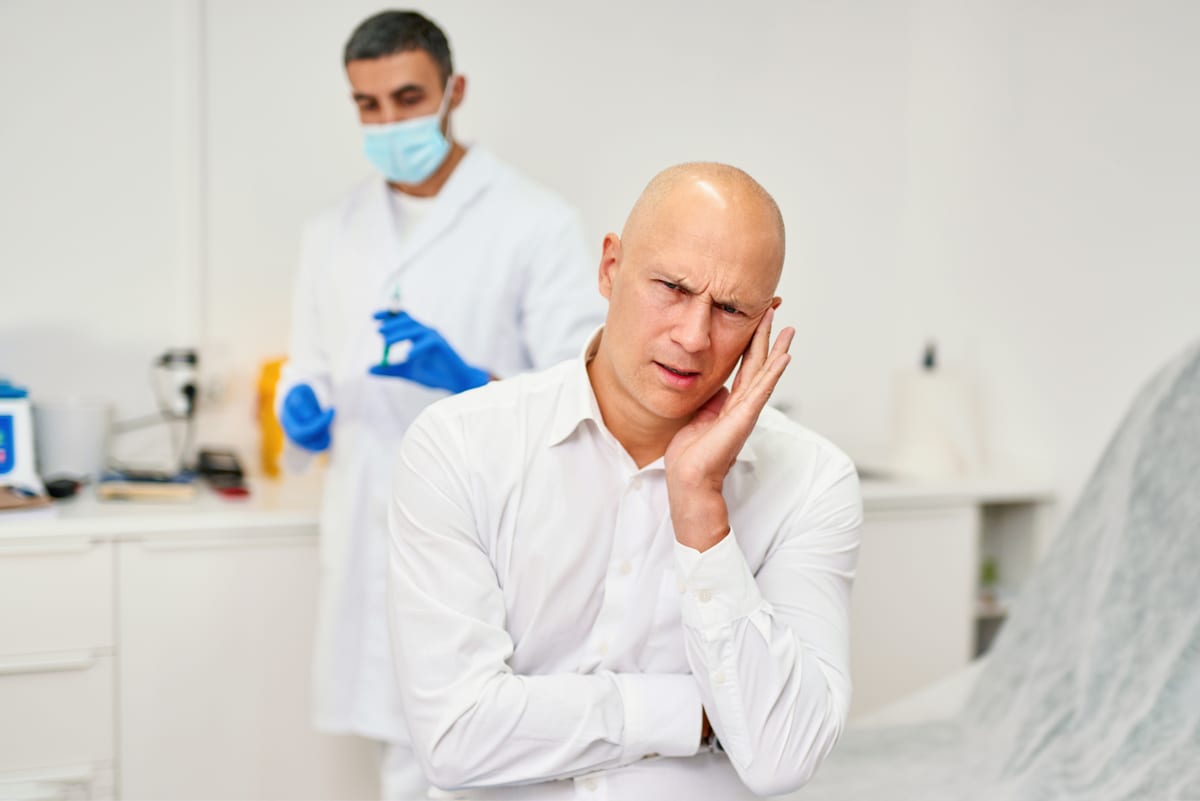
A cracked tooth can happen in an instant — one bite of hard food, a sports collision, or an unexpected fall. If you’re searching for help right now in Carrollton, this is exactly the guide you need. Your cracked tooth survival guide starts here, with clear steps to protect your smile before you reach our office. Dr. Zachary Flink and the team at Flink Family Dentistry are here to help you through every stage.
How to Tell If Your Tooth Is Actually Cracked
Not every crack feels the same. Some cracks cause sharp, stabbing pain when you bite down. Others produce a dull ache that comes and goes throughout the day. You might also notice sensitivity to hot, cold, or sweet foods and drinks.
Here are the most common signs that your tooth may be cracked:
- Sharp pain when chewing or releasing a bite
- Sensitivity to temperature that lingers
- Swelling in the gum near the tooth
- A visible line or chip on the tooth surface
- Intermittent pain with no obvious cause
Sometimes a crack is invisible to the naked eye. That is why a professional exam is so important. Dr. Flink uses diagnostic tools to find even hairline fractures that cause real discomfort.
What to Do Right Now in Carrollton Before Your Appointment
Acting quickly can make a big difference in your outcome. The first thing you should do is rinse your mouth gently with warm salt water. This helps clean the area and reduce bacteria around the crack.
Follow these immediate steps while you wait to be seen:
- Rinse with warm salt water to cleanse the area
- Apply a cold compress to your cheek to reduce swelling
- Take an over-the-counter pain reliever if needed — follow label directions
- Avoid chewing on the affected side entirely
- Cover a sharp edge with dental wax if it is cutting your tongue or cheek
Dental wax is available at most pharmacies. It provides temporary protection without treating the crack itself. Think of it as a short-term shield until Dr. Flink can evaluate your tooth properly.
If you are experiencing severe pain, visible tooth displacement, or signs of infection, treat this as a Dental Emergencies Carrollton situation and contact us as soon as possible.
What You Should Absolutely Avoid
Knowing what NOT to do is just as important as knowing what to do. Many patients accidentally worsen a crack by continuing normal habits. Avoid anything that puts direct pressure on the damaged tooth.
Do not chew ice, hard candy, or crunchy foods. These actions can deepen a crack or cause a larger fracture. Avoid very hot or very cold beverages, which can trigger intense sensitivity and pain.
Skip the aspirin placed directly on the gum. This old home remedy causes tissue burns and does not treat the crack. Oral pain gels applied to the area are a safer option if swallowing a pain reliever is not possible.
Do not wait weeks to be seen. A small crack can become a much bigger problem. Bacteria enter through cracks and can infect the inner pulp of the tooth over time.
What Dr. Flink Will Do to Fix Your Cracked Tooth
When you arrive at Flink Family Dentistry, Dr. Flink will start with a thorough examination. He will take X-rays and may use a special dye or light to identify the full extent of the crack. From there, your treatment plan depends on the crack’s location, depth, and severity.
Common treatments for cracked teeth include:
- Dental bonding — for minor surface cracks and chips
- Dental crowns — to cap and protect a tooth with a deeper crack
- Root canal treatment — when the crack has reached the inner pulp
- Tooth extraction — only when the crack extends below the gumline and cannot be saved
If extraction becomes necessary, tooth replacement is always discussed. Dental Implants Carrollton patients have chosen this option as a long-term solution that looks and feels natural.
Dr. Flink prioritizes saving your natural tooth whenever possible. Every treatment decision is made with your comfort and long-term oral health in mind.
Why Timing Matters for Cracked Tooth Treatment
A cracked tooth does not heal on its own. Unlike a broken bone, tooth enamel cannot regenerate. The crack will not close up or improve without professional treatment. Waiting too long increases the risk of infection and nerve damage.
Early treatment almost always means simpler, less invasive care. A small crack caught early may only need bonding or a crown. That same crack left untreated may eventually require a root canal or extraction.
Carrollton residents have access to comprehensive care right here at Flink Family Dentistry. You do not need to travel far or wait long to receive expert attention.
Frequently Asked Questions
Can a cracked tooth heal on its own?
No, a cracked tooth cannot heal without professional treatment. Tooth enamel does not regenerate like other tissues in the body. The crack may worsen over time and allow bacteria to enter, leading to infection. It is important to see a dentist as soon as possible.
How long can I wait before seeing a dentist for a cracked tooth?
You should try to be seen within 24 to 48 hours if possible. If you have severe pain, swelling, or signs of infection, seek care immediately as a dental emergency. The sooner Dr. Flink evaluates the crack, the more treatment options are available to you.
Will my cracked tooth need to be pulled?
Not necessarily. Most cracked teeth can be treated and saved with a crown, bonding, or root canal therapy. Extraction is only considered when the crack extends below the gumline or the tooth cannot be restored. Dr. Flink always explores every option to preserve your natural tooth first.
Is a cracked tooth considered a dental emergency?
It depends on the severity. A minor chip with no pain may be urgent but not a full emergency. However, significant pain, visible fracture, swelling, or any sign of infection should be treated as an emergency. Contact Flink Family Dentistry right away if your symptoms are severe.
What foods should I avoid with a cracked tooth?
Avoid hard foods like ice, nuts, hard candy, and raw carrots. Also steer clear of very hot and very cold items, which can trigger sharp sensitivity. Stick to soft foods like yogurt, mashed potatoes, and smoothies until your tooth is treated. Chew on the opposite side of your mouth as much as possible.
At Flink Family Dentistry, Dr. Zachary Flink and his team are dedicated to providing compassionate, expert care for Carrollton patients dealing with dental emergencies of all kinds. You do not have to manage this alone. Book Now to schedule your appointment with our team.