
1930 E. Rosemeade Pkwy #103 Carrollton, TX 75007

Sensitivity After Veneers: Tips from Dr. Flink for a Pain-Free Recovery
December 10, 2025

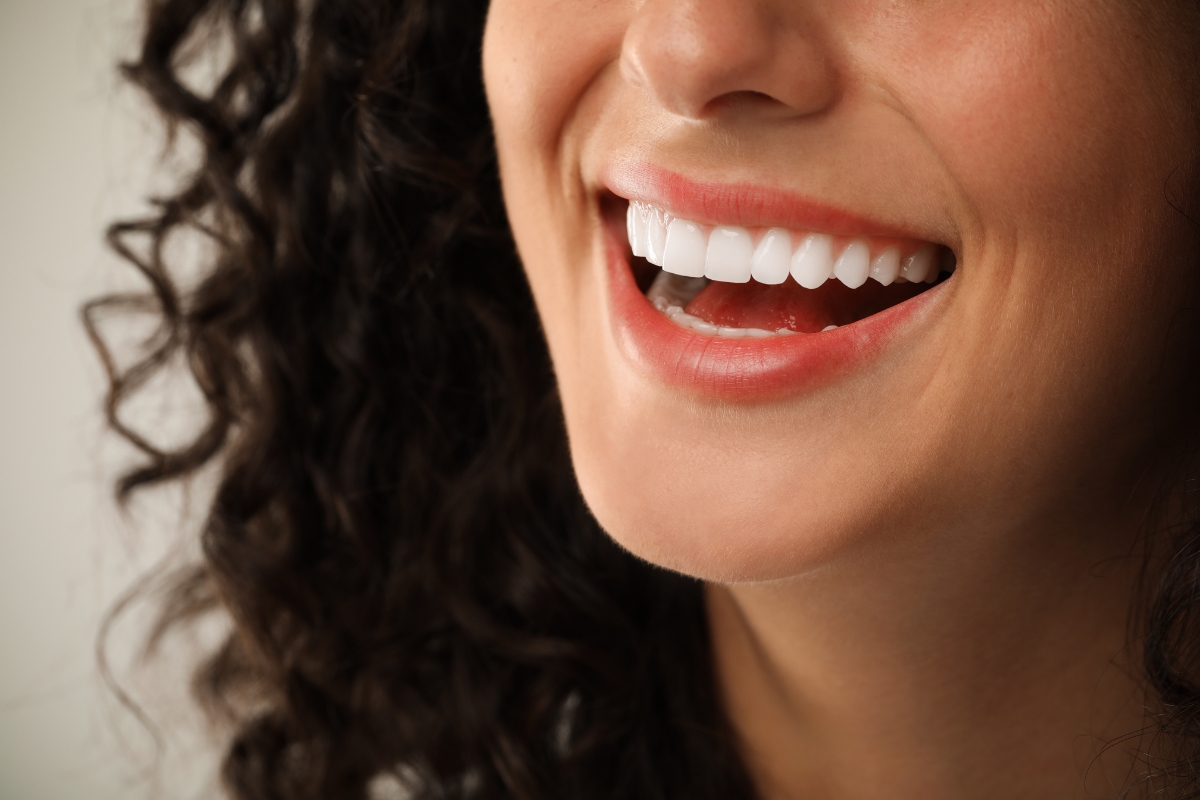
Dental veneers are among the hottest trends currently, with people seeking brighter, more confident smiles. Nonetheless, one factor that often deters people from seeking dental work is the sensitivity associated with dental veneers.
While sensitivity can be a common issue after receiving veneers, there is nothing to worry about, as it can be addressed appropriately. In this blog post, you will learn helpful information on how to reduce the sensitivity associated with dental veneers.
Understanding Veneers and Post-Treatment Sensitivity
Dental veneers are thin layers of custom-made material that are placed over the front of teeth to enhance their appearance. The primary concern that veneers address includes discoloration, chipped teeth, and uneven spacing. Although they yield a pleasing cosmetic effect, one potential concern with dental veneers is sensitivity.
This usually occurs in some patients in the days that immediately follow the procedure. The sensitivity usually lasts anywhere from several days to several weeks. It is worth noting that this sensitivity is part of the healing process.
Why Veneers Cause Tooth Sensitivity
Sensitivity experienced after dental veneers in Carrollton is attributable to the dental preparation procedure, which involves removing a thin layer of enamel to create enough space for the veneers.
Secondly, the adhesive used to affix dental veneers to teeth may be a source of sensitivity, especially during the temporary phase.
Thirdly, the nature of the teeth after dental veneer surgery may cause individuals some discomfort as they adapt to their new surfaces. In some cases, your teeth may become more sensitive during recovery.
Dr. Flink’s Tips for Handling Sensitivity After Dental Veneers
Tip 1: Use a Desensitizing Toothpaste
Desensitizing toothpaste contains special ingredients that help block the pathways to your nerves in your teeth. Using toothpaste may eliminate discomfort and shorten healing time.
Tip 2: Avoid Certain Foods and Drinks
Hot, cold, acidic, and crunchy foods might irritate sensitive teeth. You should avoid coffee, orange juice, or hard candy for the first few days.
Tip 3: Maintain Oral Hygiene Practices
If you take a gentle approach, proper dental hygiene practices are essential. Brush using a soft-bristled brush and floss to avoid irritating the areas around the veneers.
Tip 4: Rinse with Warm Salt Water
A plain saltwater rinse will certainly help calm your gums. Just use warm water a few times a day. This will make your gums feel less tender.
Tip 5: Schedule a Follow-up Appointment
Dr. Flink suggests additional visits to check the bonding of the veneers and the healing of your gum tissues. You need to check with your dentist about whether you need to come in for additional visits to make sure that your gums are healing as expected.
How Long Does Sensitivity After Veneers Last?
Generally speaking, the sensitivity period lasts from a few days to two weeks. The time may differ depending on the person’s healing process. Personal habits like the diet consumed, oral hygiene practices, and the individual’s overall health may cause a change in the rate at which the sensitivity wears off.
Patients usually notice that in the initial few days, the sensitivity reduces drastically, and the teeth settle down into the veneers after a couple of weeks.
When to Contact Your Dentist
If the sensitivity lasts for longer than what should be expected, it can sometimes be an indication that there is an underlying problem. If it hurts or is uncomfortable while trying to bite, it may mean that the veneers are improperly fitting. If so, it is advised that you contact Dr. Flink.
Sensitive teeth treatment following the installation of dental veneers is doubly important to make the recovery more comfortable. Applying the advice of Dr. Flink, such as the utilization of desensitized toothpaste, staying away from offending foods, and regular oral hygiene practices, would be extremely helpful in lessening the sensitivity of the teeth.
If the sensitivity remains, it would be best not to hesitate in making another visit with Dr. Flink.
FAQs
What should I do if my veneers feel uncomfortable?
If the discomfort continues, consult your dentist to ensure that the veneers are properly fitted and bonded.
How long does it take to get used to veneers?
Most people adjust within a few days to a week, but it may take longer for some individuals.
Can veneers cause headaches?
Headaches can sometimes occur due to misaligned veneers or adjustments, so consult your dentist if you experience this.
Will veneers affect my speech?
Typically, veneers will not affect your speech once you get used to them, though there may be a brief adjustment period.
Can veneers shift over time?
While veneers are designed to be durable, improper care or biting habits can cause them to shift or loosen.