WE DO SAME DAY CROWN



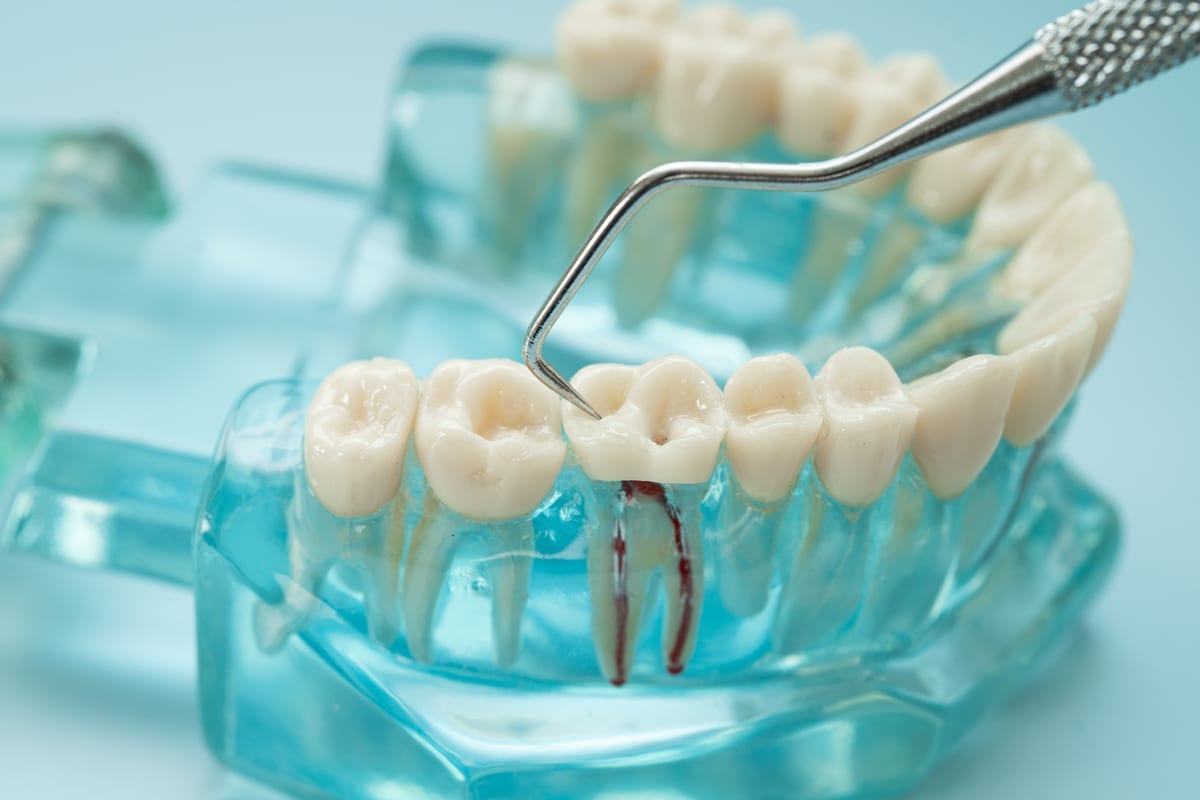
Many patients in Addison wonder if their tooth pain is serious enough to call a dentist. If you want to know whether you have these 5 warning signs you need a root canal in Addison, this guide is for you. Catching these symptoms early can protect your tooth and prevent a much bigger problem. At Flink Family Dentistry, Dr. Zachary Flink helps patients understand exactly when action is needed.
Root canals have a reputation for being scary. In reality, they relieve pain — they do not cause it. The infection inside your tooth is what hurts. Treating it early makes the entire process smoother and more predictable.
Warning Sign 1 and 2 — Pain and Sensitivity That Will Not Go Away
Persistent tooth pain is the most common reason patients seek a root canal evaluation. This pain may throb constantly or flare up when you bite down. It often starts mild and gradually becomes impossible to ignore. Do not dismiss pain that keeps returning day after day.
Sensitivity to hot or cold that lingers long after the temperature source is gone is another red flag. Healthy teeth feel a brief zing and recover quickly. When the sensation stays for 30 seconds or longer, the nerve inside your tooth may be inflamed or infected. That level of sensitivity almost always points to pulp damage requiring treatment.
- Throbbing pain that disrupts sleep or daily activity
- Sharp pain when biting or chewing food
- Hot or cold sensitivity lasting more than 30 seconds
- Pain that radiates to your jaw, ear, or neck
Both of these warning signs indicate that the soft tissue inside your tooth — called the pulp — is under serious stress. Ignoring them allows bacteria to multiply and spread deeper into your jaw.
Warning Sign 3 — Swelling, Pimples on Your Gum, or a Bad Taste
A small pimple-like bump on your gum near a painful tooth is called a dental abscess or fistula. This bump forms when infection builds pressure and seeks an escape route through your gum tissue. It may ooze pus, which causes a persistent bad taste or bad breath. This is a clear signal that bacteria have infected the tooth root.
Swelling in your jaw, cheek, or nearby lymph nodes also suggests spreading infection. Facial swelling related to a tooth is a Dental Emergencies situation that needs same-day attention. Do not wait for swelling to resolve on its own — dental infections do not heal without treatment. Left untreated, they can spread to surrounding bone and tissue.
A foul taste in your mouth that brushing does not fix is another clue. Infection produces byproducts that create an unpleasant, persistent flavor. This symptom often accompanies the abscess bump described above.
Warning Sign 4 and 5 — Tooth Discoloration and Loose or Cracked Teeth
A tooth that has turned gray, yellow, or dark brown often signals internal damage. When blood supply to the pulp is compromised, the tooth begins to die from the inside out. This discoloration develops gradually and is often painless at first. Many patients are surprised to learn their tooth has a serious problem despite feeling little discomfort.
A loose adult tooth is never normal. Infection from a damaged root can destroy the bone and ligament that hold your tooth in place. This creates mobility that feels similar to a loose baby tooth. If your adult tooth moves when you press on it, see Dr. Flink as soon as possible.
- Gray or darkened tooth color compared to surrounding teeth
- Noticeable tooth movement when touched or chewed on
- A cracked tooth with pain that worsens under pressure
- Deep decay visible at the gum line or along a crack
Cracked teeth deserve special attention because cracks allow bacteria to penetrate deeply. A crack that reaches the pulp will almost always require root canal treatment to prevent full tooth loss. Catching it early gives Dr. Flink the best chance of saving your natural tooth.
Why Waiting Makes Everything Worse in Addison
Every day you delay treatment gives bacteria more time to multiply and spread. What begins as pulp inflammation can progress to a full abscess within days to weeks. Once infection spreads to surrounding bone, treatment becomes more complex and recovery takes longer. Acting on these warning signs early is the single most important thing you can do for your oral health.
A tooth that could have been saved with a root canal may require extraction if infection advances too far. Extraction leads to bone loss and the need for tooth replacement options like Dental Implants, which involve a longer and more involved process. Saving your natural tooth is almost always the preferred outcome. It preserves your bite, your jawbone, and your smile.
Patients in the Addison area often tell Dr. Flink they wish they had come in sooner. The procedure itself is straightforward when infection is caught at an earlier stage. Modern anesthesia means most patients feel little to no discomfort during treatment. The relief they feel afterward is often immediate and dramatic.
What to Expect During Root Canal Treatment at Flink Family Dentistry
Dr. Flink and the team at Flink Family Dentistry approach root canal treatment with patient comfort as the top priority. The process involves numbing the area thoroughly before any work begins. Most patients are surprised by how manageable the experience feels compared to their expectations.
Here is a simple overview of what happens during your visit:
- Dr. Flink takes X-rays to assess the infection and root anatomy.
- Local anesthesia is applied to fully numb the tooth and surrounding tissue.
- A small opening is made in the crown of the tooth to access the pulp.
- Infected pulp tissue is carefully removed and the canals are cleaned.
- The canals are filled and sealed to prevent reinfection.
- A dental crown is typically placed afterward to protect and restore the tooth.
Recovery is usually quick. Most patients return to normal activity within a day or two. Mild soreness for a few days is common and manageable with over-the-counter pain relievers.
Conclusion — Do Not Ignore These Symptoms
Recognizing the 5 warning signs you need a root canal in Addison gives you the power to act before the situation worsens. Persistent pain, lingering sensitivity, swelling, tooth discoloration, and looseness are all signals your body sends when it needs help. Dr. Zachary Flink at Flink Family Dentistry is here to evaluate your symptoms and recommend the right course of treatment. Book Now to schedule your appointment with our team.
Frequently Asked Questions
How do I know if I need a root canal or just a filling?
A filling is used to treat surface decay that has not reached the inner pulp of the tooth. If you have persistent pain, prolonged sensitivity, swelling, or a darkened tooth, the infection has likely reached the pulp and a root canal is needed. Dr. Flink will take X-rays and perform a clinical exam to determine which treatment is appropriate for your situation.
Is a root canal painful?
The procedure itself is not painful because the area is fully numbed before treatment begins. Most patients report that the discomfort they felt before treatment — from the infection — was far worse than the procedure. Mild soreness after the anesthesia wears off is normal and typically resolves within a few days.
What happens if I ignore a tooth that needs a root canal?
Ignoring the infection allows bacteria to spread to the surrounding bone, gum tissue, and potentially other teeth. The abscess can become a serious health concern if the infection enters your bloodstream. In advanced cases, the tooth cannot be saved and must be extracted, requiring a more involved tooth replacement process.
How long does a root canal take at Flink Family Dentistry?
Most root canal procedures at Flink Family Dentistry are completed in one to two appointments. A straightforward case on a single-rooted tooth may take about 60 to 90 minutes. More complex cases involving multiple roots or severe infection may require a follow-up visit. Dr. Flink will give you a clear timeline during your evaluation.
Can children in Addison need root canals too?
Yes, children can develop infected pulp tissue just like adults. Pediatric root canal treatment — sometimes called a pulpotomy for baby teeth — is designed to save the tooth until it naturally falls out. Preserving baby teeth is important because they hold space for permanent teeth. Dr. Flink provides compassionate pediatric care for young patients throughout the Addison area.