WE DO SAME DAY CROWN


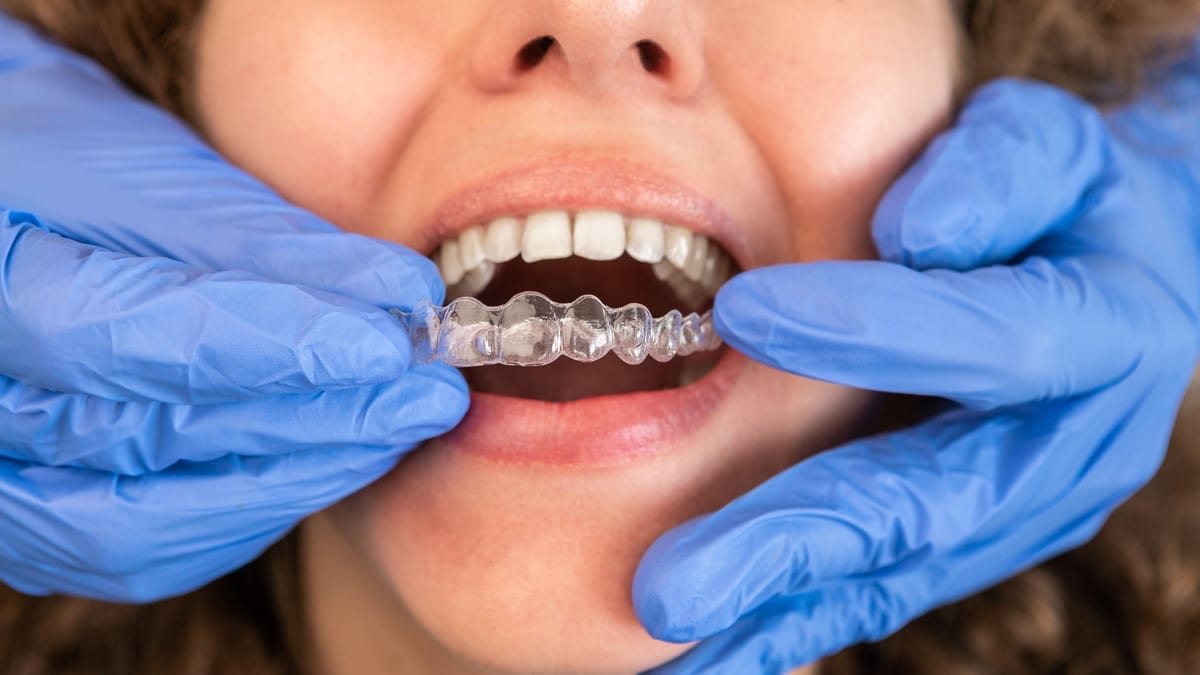
Choosing between Invisalign and traditional braces is one of the most common questions we hear at Flink Family Dentistry. If you’ve been wondering, is Invisalign right for your teeth, or do you need braces in Carrollton, you’re not alone. Both options can straighten your smile, but they don’t work equally well for every case. Understanding the difference helps you make a confident, informed decision.
Dr. Zachary Flink and our team work with patients of all ages throughout Carrollton, TX. We take the time to evaluate your bite, alignment, and overall oral health before recommending any orthodontic path. This article breaks down what Invisalign can and cannot fix — and when traditional braces may serve you better.
What Invisalign Can Treat Effectively in Carrollton
Invisalign uses a series of clear, removable aligners to gradually shift your teeth. It has improved significantly over the years. Many common alignment concerns respond very well to this treatment.
Invisalign works best for mild to moderate cases. Here are the conditions it handles most effectively:
- Mild to moderate crowding — When teeth overlap slightly, aligners can create space and reposition them.
- Spacing issues — Gaps between teeth close predictably with Invisalign in most cases.
- Mild overbite — When upper teeth extend slightly over lower teeth, aligners can help correct alignment.
- Mild underbite — Minor cases where lower teeth sit in front of upper teeth may respond to clear aligner therapy.
- Crossbite — When some upper teeth sit inside lower teeth, Invisalign can often realign them.
- Open bite — Cases where upper and lower teeth don’t meet when biting are treatable in many patients.
The key word in each of these is mild to moderate. Invisalign is a powerful tool, but it has limits. More complex cases require a different approach.
When Braces Work Better Than Invisalign for Your Smile
Traditional braces use metal or ceramic brackets bonded directly to your teeth. Wires connect the brackets and apply consistent, precise pressure. This gives orthodontists more control over complex tooth movements.
Braces tend to outperform Invisalign in these situations:
- Severe crowding — When teeth are significantly overlapping or rotated, brackets provide stronger repositioning force.
- Severe overbite or underbite — Deep bites and significant jaw discrepancies often need the precision of braces.
- Large gaps — Major spacing issues sometimes close more reliably with wire-based mechanics.
- Significant tooth rotation — Rotating teeth more than a small degree is difficult for aligners to accomplish alone.
- Vertical tooth movement — Braces control teeth moving up or down more effectively than most aligner systems.
- Complex bite issues — When multiple bite problems exist at once, braces offer the precision needed.
This doesn’t mean braces are always the better choice. It means the right choice depends entirely on your specific case. A thorough evaluation is the only way to know which treatment fits your needs.
Is Invisalign Right for Your Teeth or Do You Need Braces in Carrollton — Candidacy Factors
Several personal and clinical factors influence which treatment suits you best. Dr. Flink considers all of them during your consultation. Here’s what we look at closely.
Severity of misalignment is the first factor. Mild cases often do beautifully with Invisalign. Severe cases almost always call for braces. There’s no shortcut around this clinical reality.
Compliance matters greatly with Invisalign. Aligners must be worn 20 to 22 hours per day to work properly. If you’re likely to remove them frequently, your results will suffer. Braces stay in place around the clock, so compliance isn’t a variable.
Age plays a role too. Teens and adults can both use Invisalign. Children with baby teeth still present are usually not candidates. Younger children often benefit more from traditional orthodontic appliances.
Oral health status matters before starting any orthodontic treatment. Gum disease or untreated decay must be addressed first. Our team can connect you with periodontal care or restorative treatment before moving forward. Good oral health is the foundation for any alignment work.
Invisalign vs Braces — Lifestyle and Comfort Considerations
Beyond clinical factors, lifestyle preferences often influence which path patients choose. Both options have practical advantages worth knowing.
Invisalign offers clear aesthetics during treatment. Most people won’t notice you’re wearing aligners. You can remove them to eat, drink, and brush your teeth normally. This makes maintaining oral hygiene easier throughout treatment.
Braces require more careful cleaning around brackets and wires. Certain foods — like hard candies, popcorn, and sticky items — should be avoided. However, you don’t have to remember to put anything back in after meals. For patients who worry about losing aligners, braces remove that concern entirely.
Treatment timelines vary by case. Invisalign can take 12 to 18 months for moderate cases. Braces may take 18 to 24 months for more complex corrections. Both paths lead to the same goal: a healthier, straighter smile.
It’s also worth noting that straightened teeth are easier to clean long term. Better alignment reduces the risk of decay, gum disease, and uneven wear. Orthodontic treatment is truly an investment in your overall dental health.
Your Next Step With Dr. Flink in Carrollton, TX
No article can replace a personalized evaluation. Every mouth is different, and what works for your neighbor may not be right for you. The best way to answer the question is to sit down with a provider who can examine your bite, take records, and explain your options clearly.
At Flink Family Dentistry, we also offer comprehensive care beyond orthodontics. Whether you’re exploring Dental Implants Carrollton patients trust, dealing with Dental Emergencies Carrollton residents face unexpectedly, or simply seeking a straighter smile, our team is here to guide you every step of the way. Dr. Flink takes pride in educating each patient fully before any treatment begins. Book Now to schedule your appointment with our team.
Frequently Asked Questions
Can Invisalign fix a severe overbite?
Invisalign can treat mild to moderate overbites effectively. Severe overbites often require traditional braces or a combination of orthodontic appliances. Dr. Flink will evaluate the depth of your bite and recommend the most appropriate treatment during your consultation.
How do I know if I’m a good candidate for Invisalign in Carrollton?
The best way to find out is through a clinical evaluation with Dr. Zachary Flink. He will examine your teeth, jaw, and bite alignment. Factors like severity of crowding, bite issues, and your lifestyle habits all play a role in determining candidacy.
Is Invisalign faster than braces?
Not necessarily. Treatment time depends on the complexity of your case. Mild cases may finish faster with Invisalign, while complex cases often take longer regardless of the method. Braces sometimes correct severe issues more efficiently because of the greater control they offer.
What happens if I stop wearing my Invisalign aligners consistently?
Wearing aligners fewer than 20 to 22 hours daily slows your progress significantly. Your teeth may not shift as planned, and your treatment timeline can extend considerably. Compliance is essential for Invisalign to work as expected.
Can children use Invisalign?
Invisalign offers a teen version designed for younger patients with mixed dentition considerations. However, very young children with baby teeth still present are typically not good candidates. A consultation with Dr. Flink will clarify the right timing for your child’s orthodontic care.