1930 E. Rosemeade Pkwy #103 Carrollton, TX 75007


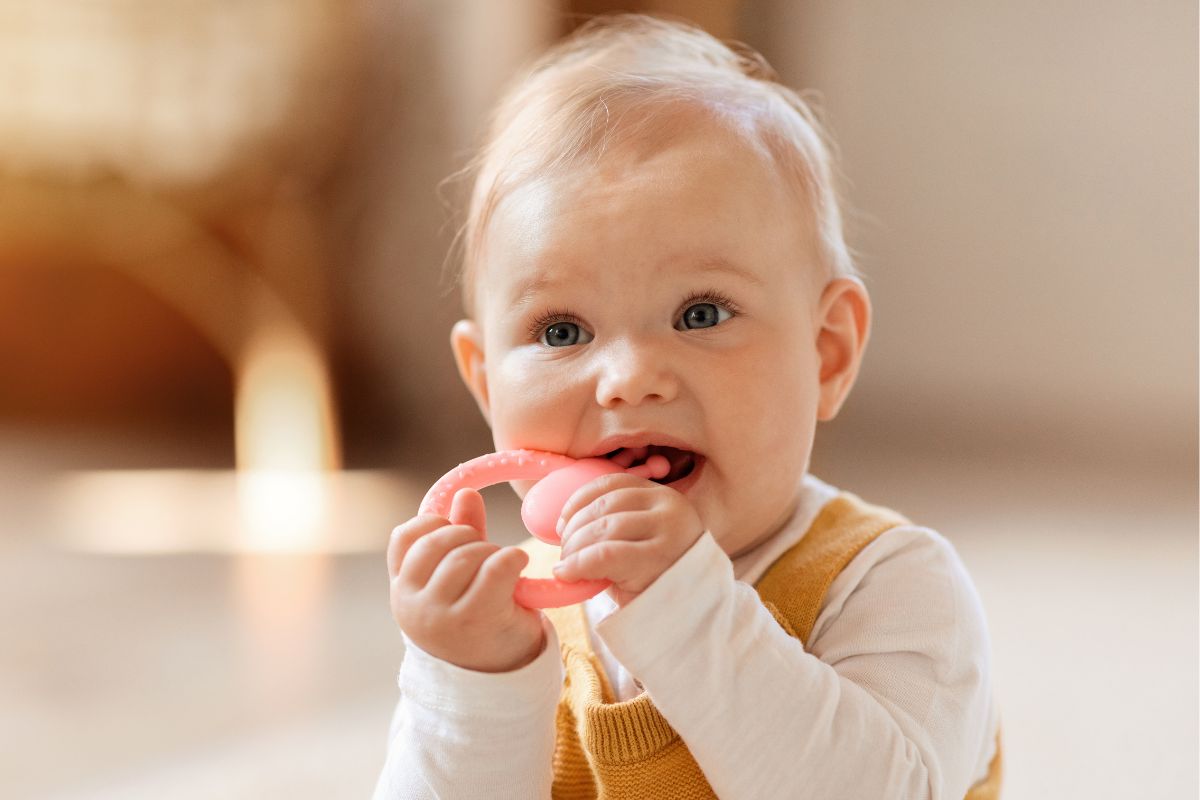
Amber teething necklaces have gained popularity in recent years as a natural remedy for teething pain in infants. Many parents swear by these necklaces, believing that the amber, when worn against the skin, can help alleviate the discomfort associated with teething.
These necklaces are marketed as a safe, chemical-free solution that provides relief by supposedly releasing succinic acid, a compound said to ease pain and reduce inflammation. However, the use of amber teething necklaces has sparked a heated debate among pediatric and dental professionals regarding their safety and efficacy.
While some parents swear by their benefits, professionals caution against their use, citing safety concerns, lack of scientific evidence, and the potential risks they pose to infants. In this blog, we will explore what both pediatricians and dental professionals think about these popular teething accessories.
What is an Amber Teething Necklace?
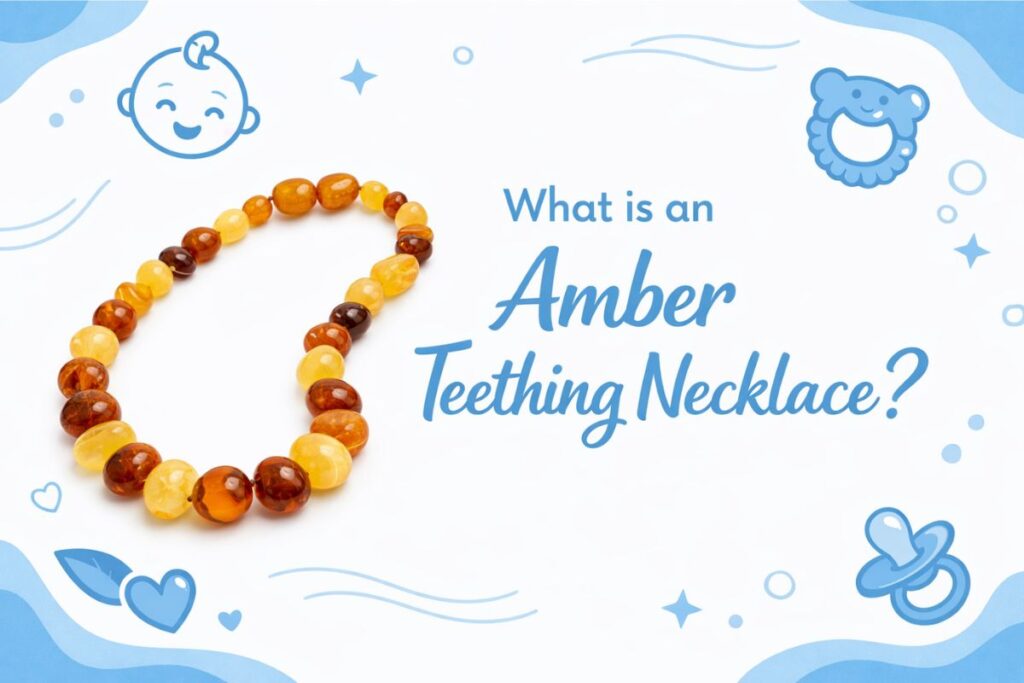
Amber teething necklaces are jewelry made from natural amber, a fossilized resin often associated with healing properties. The beads are typically worn around a baby’s neck as a supposed remedy for teething pain. The claim is that when the amber comes into contact with the baby’s skin, it releases succinic acid, which is believed to act as a natural analgesic to relieve teething discomfort.
Succinic acid is a naturally occurring compound found in amber, and its proponents argue that it has anti-inflammatory and pain-relieving properties. When the amber beads warm up from the heat of the skin, it’s said that succinic acid is released in small amounts and absorbed through the skin. This purported effect is why many parents opt for amber teething necklaces instead of resorting to over-the-counter medications for teething pain.
Despite the claims, there is no conclusive scientific evidence to support the effectiveness of amber teething necklaces. Research on succinic acid’s effectiveness for pain relief is limited, and while amber does contain succinic acid, its absorption through the skin is highly questionable. Most medical professionals agree that there is no reliable evidence suggesting that these necklaces provide meaningful pain relief for teething infants.
What Pediatric Professionals Say About Amber Teething Necklaces
Pediatricians and child safety professionals are often vocal in their concerns about amber teething necklaces. The most pressing issue revolves around the safety of infants wearing these necklaces, particularly the risk of choking and strangulation. Pediatricians emphasize that babies can easily pull or chew on the beads, which poses a choking hazard. There have been reports of babies choking on broken beads or even strangling when the necklace becomes tangled around their necks.
In fact, the American Academy of Pediatrics (AAP) has issued strong warnings against using amber teething necklaces, citing the dangers they pose. American Academy of Pediatrics recommends that teething infants use only safe, age-appropriate teething toys made from non-toxic materials and specifically designed for chewing.
While the safety concerns are significant, there’s also the issue of efficacy. Pediatricians argue that there are safer, more reliable ways to ease teething pain. For example, using chilled teething rings or a clean, cool washcloth can provide comfort without the associated risks. Over-the-counter pain relievers like acetaminophen or ibuprofen can also be helpful when used appropriately, under the guidance of a healthcare provider.
Pediatric professionals point out that although succinic acid may have some purported health benefits, there is little scientific evidence to support these claims. There is particularly limited evidence showing that it effectively relieves the pain and inflammation associated with teething. Most professionals agree that teething discomfort typically resolves on its own as the baby’s teeth break through the gums, and the need for additional interventions is minimal.
Dental Professionals’ Take on Amber Teething Necklaces
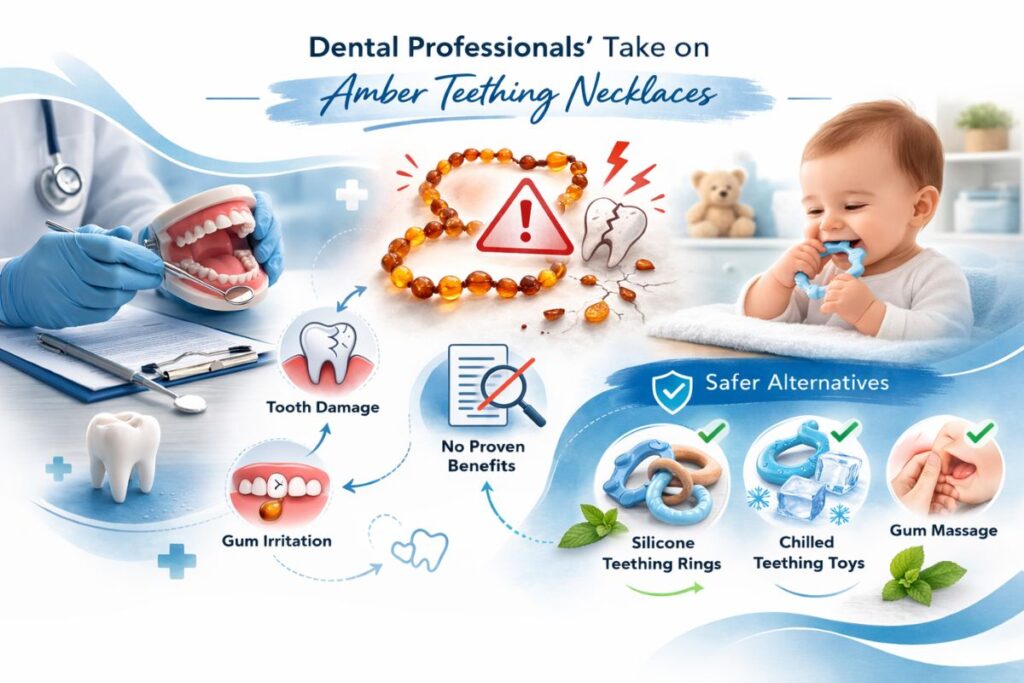
Dental professionals, including pediatric dentists, share many of the same concerns as pediatricians when it comes to amber teething necklaces. While they do not generally focus on the risks of choking or strangulation, they are quick to highlight the potential risks to oral health.
One concern that dental professionals raise is that babies may chew on the necklace beads, which can cause damage to their developing teeth. Some manufacturers use materials that are not smooth or non-abrasive, which may harm a baby’s gums or teeth if the child chews on the necklace excessively. In the worst-case scenario, excessive chewing on hard objects could lead to misalignment of the baby’s teeth as they grow.
Another issue a professional pediatric dentist in Carrollton points out is the lack of evidence supporting the idea that amber’s succinic acid has any beneficial effect on oral health. Marketers sometimes promote succinic acid for its anti-inflammatory properties, but dental specialists emphasize that no reliable studies show it helps relieve teething pain. Instead, they recommend other, more proven methods for helping with teething discomfort.
From a dental standpoint, safe alternatives like teething rings made of silicone or rubber are far better options. These alternatives can provide the necessary relief without posing any risk to the baby’s teeth or overall health. Some pediatric dentists also recommend massaging the baby’s gums or using chilled items. Such as teething toys or washcloths, to help soothe the pain naturally.
In summary, dental professionals are generally not in favor of amber teething necklaces due to the potential risks to oral health and the lack of proven benefits.
Are Amber Teething Necklaces Safe?
The primary concern regarding amber teething necklaces revolves around safety. While there may be anecdotal claims of relief, the risks associated with using these necklaces far outweigh the potential benefits. Pediatric and dental professionals emphasize that these necklaces should be avoided for the following reasons:
- Choking and Strangulation Hazards: Babies can easily break or chew on the beads, leading to choking or strangulation. Manufacturers do not design these necklaces to withstand the wear and tear of a baby’s mouth and hands.
- Lack of Scientific Evidence: There is no solid scientific research supporting the claim that amber teething necklaces are effective in alleviating teething pain. The succinic acid released from the amber beads likely does not have any significant therapeutic effect.
- Potential Damage to Oral Health: Chewing on hard beads could cause harm to the baby’s gums or teeth, especially if the beads are not smooth or the baby bites down too hard.
Professionals recommend that parents use other, safer methods for managing teething pain, such as teething rings, chilled washcloths, etc. If you’re concerned about your baby’s teething pain, consult a pediatrician or pediatric dentist in Carrollton for personalized advice.
The Bottom Line
Amber teething necklaces may seem like a natural and easy solution for teething pain. Parents and caregivers should not ignore the concerns raised by pediatric and dental professionals. While there are no proven benefits to wearing these necklaces, the risks of choking, strangulation, and oral health issues make them a questionable choice for parents.
If you’re looking for a safe and effective way to relieve your baby’s teething pain, it’s always a good idea to consult with a trusted pediatric dentist. At Flink Family Dentistry, we are here to provide professional advice and care for your little one’s dental health. Our pediatric dentist can recommend safe alternatives that will provide comfort and relief during the teething process.
Don’t hesitate to contact us to schedule an appointment or ask any questions about your child’s oral health. Your child’s well-being is our top priority!
People Also Ask
1. How can I soothe my baby’s teething pain safely?
You can use chilled teething rings, gentle gum massages, or over-the-counter pain relief like acetaminophen, as recommended by your pediatrician.
2. Can I leave my baby’s amber teething necklace on while they sleep?
No, it’s not safe to leave the necklace on while your baby sleeps due to the risk of strangulation. Always supervise use.
3. What should I do if my baby accidentally swallows part of the amber necklace?
If your baby swallows part of the necklace, contact your pediatrician immediately or go to the emergency room to prevent choking or injury.
4. How long does teething pain typically last?
Teething pain generally lasts a few days to a week per tooth as each tooth emerges. Relief methods can help manage discomfort during this period.
5. When should I consult a pediatric dentist about my baby’s teething?
If teething pain is severe, or if you notice other concerns like fever or changes in eating habits, it’s a good idea to consult a pediatric dentist for advice.