WE DO SAME DAY CROWN



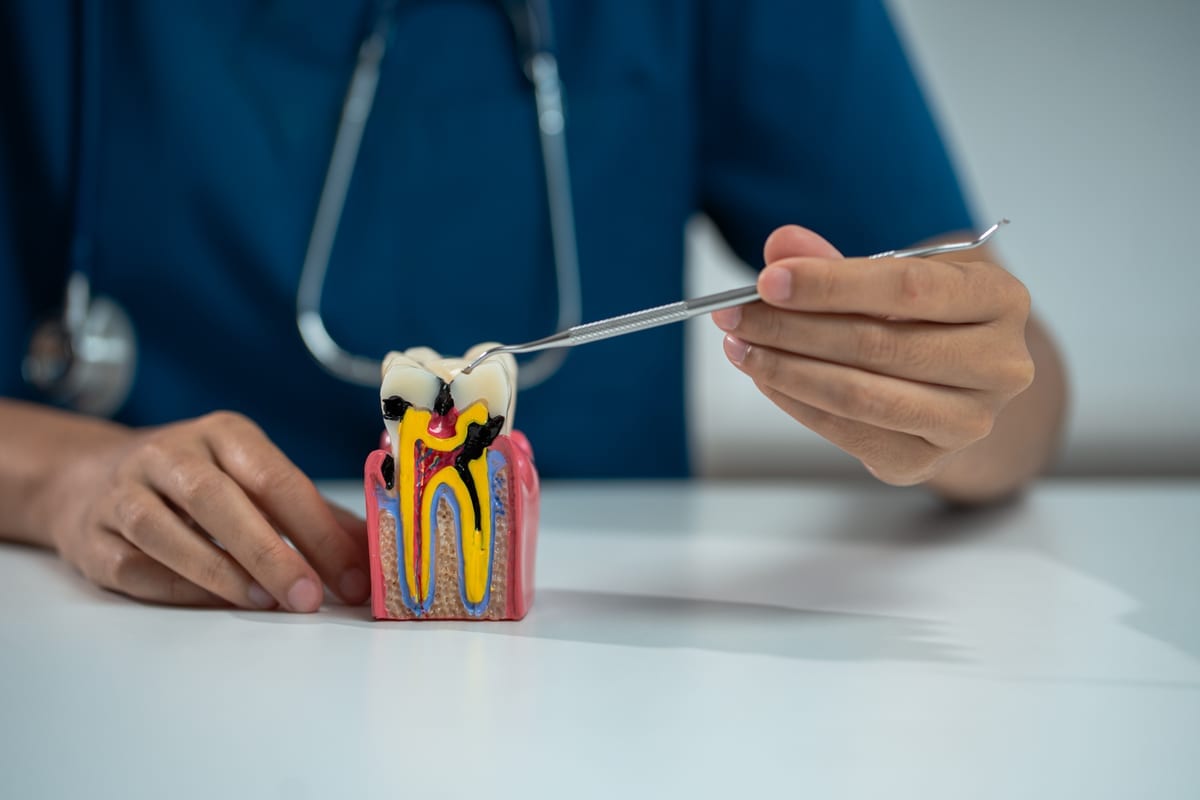
Root canal recovery is often smoother than most patients expect. If you live near Addison, TX and just completed treatment, you probably have questions. What should you eat? When will the pain stop? What red flags signal a problem? Understanding root canal recovery — what to eat, when pain stops, and red flags to watch — helps you heal faster and with less stress. Dr. Zachary Flink and the team at Flink Family Dentistry are here to guide you every step of the way.
What to Eat During Root Canal Recovery in Addison
Your tooth and surrounding tissue need time to heal after a root canal. Eating the right foods protects that healing process. Start with soft, easy-to-chew options for the first 24 to 48 hours.
Avoid anything hard, crunchy, or chewy right after treatment. These textures can irritate the treated area. They may also dislodge a temporary filling if one was placed.
Here are the best foods to eat during early recovery:
- Yogurt, smoothies, and applesauce
- Mashed potatoes, scrambled eggs, and soft fish
- Soup broth (not too hot) and oatmeal
- Bananas, avocados, and soft-cooked vegetables
- Pudding, ice cream, and soft cheese
Avoid very hot or very cold foods for the first few days. Temperature sensitivity is common right after a root canal. Stick to lukewarm options to minimize discomfort.
After about three to five days, most patients can return to normal eating. Always chew on the opposite side of your mouth until your permanent crown is placed.
When Does Pain Stop After a Root Canal?
Most patients feel mild to moderate soreness for two to four days after treatment. This is completely normal. The tissue around the root tip becomes temporarily inflamed during the procedure.
Over-the-counter pain relievers work well for managing this discomfort. Ibuprofen (like Advil or Motrin) is especially effective. It reduces both pain and inflammation at the same time.
Here is a simple OTC pain management guide:
- Ibuprofen (400–600 mg): Take every six to eight hours with food for the first two to three days
- Acetaminophen (Tylenol): A good alternative if you cannot take ibuprofen
- Alternating both: Some dentists recommend alternating ibuprofen and acetaminophen for stronger relief
Always follow the dosing instructions on the package. Never exceed the recommended daily limits. Check with Dr. Flink if you take other medications that may interact.
Sensitivity should decrease noticeably by day three or four. Most patients feel completely normal within one week. A slight tenderness when biting may linger up to two weeks, especially before the permanent crown is placed.
Red Flags to Watch for During Your Recovery
Root canal recovery near Addison is typically uneventful. However, certain symptoms should prompt you to call your dentist right away. Knowing the warning signs can prevent a minor issue from becoming a serious problem.
Contact Flink Family Dentistry promptly if you experience any of the following:
- Severe or worsening pain that does not improve after three to four days
- Visible swelling in your face, gums, or jaw that increases over time
- A return of pre-treatment symptoms such as throbbing, fever, or pus
- A lost temporary filling or crown that exposes the treated tooth
- An allergic reaction to any prescribed medication, including rash or difficulty breathing
These symptoms are not something to wait out. Early intervention almost always leads to a better outcome. Do not hesitate to reach out — that is exactly what we are here for.
If you experience a sudden dental emergency, our team handles Dental Emergencies Addison patients face with prompt, compassionate care.
How to Care for Your Tooth Before the Permanent Crown
After a root canal, your tooth often needs a permanent crown for full protection. Until that crown is placed, the tooth is vulnerable. Treat it gently and follow your aftercare instructions carefully.
Avoid chewing hard or sticky foods on that side of your mouth. The temporary restoration can crack or come loose with too much pressure. Report any damage to your temporary filling immediately.
Continue brushing and flossing normally, but be gentle near the treated tooth. Keeping your mouth clean prevents infection and supports healing. Use a soft-bristled toothbrush to reduce gum irritation.
Attend all follow-up appointments as scheduled. Dr. Flink will confirm the area has healed before placing your permanent crown. Skipping follow-ups can delay treatment and increase your risk of complications.
Long-Term Tooth Health After Root Canal Treatment
A successfully treated tooth can last a lifetime with proper care. Most patients return to normal function within a week or two. Your restored tooth will look and feel like a natural tooth once the crown is in place.
Maintain regular dental visits every six months. These checkups allow Dr. Flink to monitor the treated tooth and catch any concerns early. Routine cleanings also protect the surrounding teeth and gums.
Some patients who lose teeth due to infection or delay ask about tooth replacement. If you ever need a replacement option, Dental Implants Addison residents rely on are available at Flink Family Dentistry. However, saving your natural tooth with a root canal is almost always the preferred first choice.
Good home care makes the biggest difference long term. Brush twice daily, floss every day, and limit sugary foods and drinks. These simple habits protect your investment in your smile.
Your Recovery Partner Near Addison, TX
At Flink Family Dentistry, Dr. Zachary Flink and our team understand that dental recovery can feel stressful. We want every patient near Addison to feel informed, supported, and confident throughout healing. You are never alone in this process — we are a quick call away whenever questions come up.
We combine expert care with a warm, educational approach. Our goal is always to help you understand your treatment and feel empowered. Whether you need post-procedure guidance or a follow-up visit, we are ready to help.
Ready to take the next step in your dental health journey? Book Now to schedule your appointment with our team.
Frequently Asked Questions
How long does root canal recovery typically take?
Most patients recover within three to seven days. Mild soreness and sensitivity are normal for the first few days. Some patients feel lingering tenderness for up to two weeks, especially before a permanent crown is placed. Everyone heals at a slightly different pace.
Can I go to work the day after a root canal?
Most patients return to work the next day without any problem. If your job involves heavy physical activity, you may want to take an extra day to rest. Use over-the-counter pain relievers as needed to stay comfortable during the day.
Is it normal to have a bad taste in my mouth after a root canal?
A slight unusual taste is sometimes normal right after treatment. It may come from the temporary filling material or antiseptic used during the procedure. However, a persistent foul taste or smell could signal infection. Contact Dr. Flink if the taste continues beyond a day or two.
What happens if I accidentally bite down hard on the treated tooth?
A single bite may cause temporary soreness but usually causes no lasting damage. However, biting hard repeatedly can crack a temporary filling or hurt the healing tissue. Try to chew on the opposite side until your permanent crown is cemented in place.
When should I be worried about swelling after a root canal?
Some mild swelling near the treated area is normal within the first 24 to 48 hours. Apply a cold compress to your cheek in 10-minute intervals to manage it. You should be concerned if swelling increases after 48 hours or spreads to your jaw or neck. Call Flink Family Dentistry right away if that happens.