WE DO SAME DAY CROWN


Wondering about veneers vs. bonding — which smile fix actually lasts in Carrollton? You’re not alone. Many patients come to Flink Family Dentistry with chipped, stained, or uneven teeth and feel stuck between two popular options. Dr. Zachary Flink helps patients understand exactly which treatment fits their smile goals, budget, and lifestyle.
Both veneers and dental bonding can dramatically improve your smile. But they work differently, cost differently, and last very differently. This guide breaks down everything you need to know so you can make the right call.
What Are Veneers and Dental Bonding?
Veneers are thin porcelain or composite shells bonded to the front of your teeth. They cover imperfections like staining, chips, gaps, and uneven shapes. Porcelain veneers are crafted in a dental lab and require two visits to complete.
Dental bonding uses a tooth-colored composite resin applied directly to the tooth. Your dentist sculpts and hardens it in one appointment. It’s a faster, less invasive procedure with no lab time required.
Both options fall under cosmetic dentistry. However, the right choice depends on your specific concern, how much tooth structure you’re working with, and how long you want your results to last.
Veneers vs. Bonding in Carrollton: Cost and Longevity Compared
Cost is often the first factor patients consider. Dental bonding is generally the more affordable option upfront. A single bonded tooth typically costs less than a porcelain veneer.
Veneers cost more because of the custom lab fabrication and the skill involved in placement. However, they last significantly longer. Here’s a quick comparison:
- Dental bonding: Lasts 3–7 years with proper care
- Porcelain veneers: Last 10–20 years or longer
- Composite veneers: Fall between bonding and porcelain in both cost and longevity
- Bonding repairs: Can be touched up easily if chipped or stained
- Veneer replacements: Require more planning but are rarely needed for many years
Think of bonding as a smart short-term fix. Veneers are a long-term investment. Over time, the cost difference often narrows when you factor in repeat bonding treatments.
Which Treatment Is More Invasive?
Invasiveness matters to many patients — especially those who feel anxious in the dental chair. Dental bonding requires little to no enamel removal. Your dentist roughens the tooth surface slightly before applying the resin.
Veneers are different. Porcelain veneers require your dentist to remove a thin layer of enamel from the front of the tooth. This step is permanent — once done, your tooth always needs a veneer or crown to protect it.
This is a critical distinction. If you’re not ready for a permanent commitment, bonding may be the smarter starting point. Dr. Flink always walks patients through the tradeoffs before recommending either option.
For patients who have experienced more significant tooth damage or loss, treatments like Dental Implants Carrollton may be a more appropriate long-term solution than either bonding or veneers.
Which Smile Concern Is Each Treatment Best For?
Not every cosmetic issue calls for the same solution. The right treatment depends heavily on what you’re trying to fix. Here’s how each option performs across common concerns:
- Minor chips or cracks: Bonding works beautifully and is fast
- Deep or intrinsic staining: Veneers cover stains that whitening can’t touch
- Small gaps between teeth: Both work, but veneers offer more lasting results
- Misshapen or worn-down teeth: Veneers provide more dramatic reshaping
- Single tooth correction: Bonding blends well and is less expensive
- Full smile makeover: Porcelain veneers deliver more uniform, long-lasting results
Bonding is ideal for patients who want a quick, reversible fix. Veneers are better suited for patients who want a complete, lasting transformation. Dr. Flink evaluates each patient individually before recommending a plan.
What to Expect During Each Procedure at Flink Family Dentistry
Understanding the process helps you feel more prepared. Here’s what each treatment looks like at our Carrollton practice.
Dental bonding — what to expect:
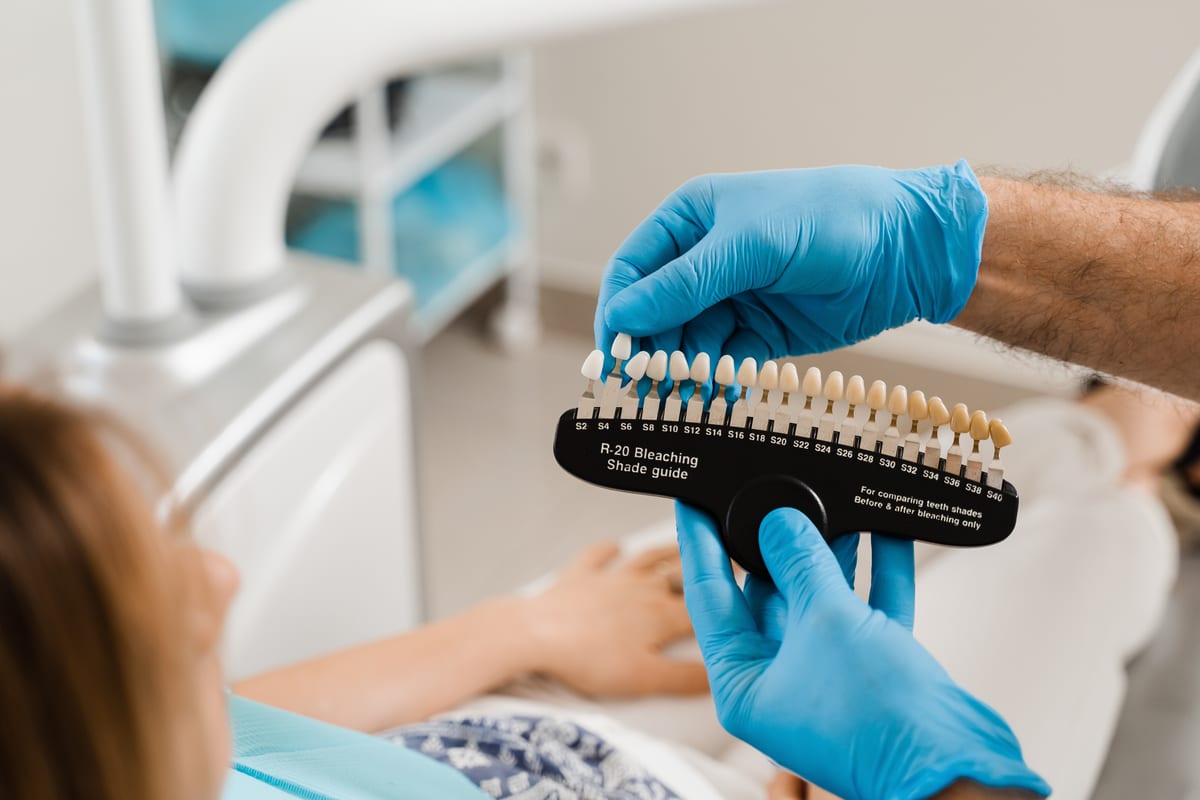
- Your dentist selects a resin shade that matches your natural teeth
- The tooth surface is lightly etched to help the resin adhere
- Resin is applied, shaped, and sculpted to the desired form
- A UV light hardens the resin in seconds
- Your dentist polishes the tooth for a natural finish
The entire process takes 30–60 minutes per tooth. Most patients leave with a noticeably improved smile in a single visit.
Porcelain veneers — what to expect:
- Your dentist removes a thin layer of enamel from the tooth
- Impressions are taken and sent to a dental lab
- Temporary veneers protect your teeth while your custom shells are made
- You return for a second visit to bond the permanent veneers in place
The process spans two appointments over a few weeks. Results are highly natural-looking and exceptionally durable.
If you ever experience unexpected tooth pain during this process or afterward, don’t wait. Reach out about Dental Emergencies Carrollton so Dr. Flink’s team can help you promptly.
How to Choose the Right Option for Your Smile
There’s no universal right answer between veneers and bonding. The best choice depends on your goals, your timeline, and the condition of your teeth. Ask yourself these questions before your consultation:
- Do I want a quick fix or a long-term solution?
- Am I concerned about cost upfront, or total value over time?
- How many teeth am I looking to improve?
- Is my staining surface-level or deep within the tooth?
- Am I ready for a permanent procedure?
Dr. Flink takes a conservative approach. He never recommends a more invasive treatment when a simpler option will achieve the same result. His goal is always to preserve your natural tooth structure whenever possible.
Patients in Carrollton trust Flink Family Dentistry because Dr. Flink explains every option clearly. You’ll never feel rushed or pressured into a decision that doesn’t feel right for you.
Your Next Step Toward a Better Smile in Carrollton
Whether you’re leaning toward bonding or veneers, the first step is a consultation. Dr. Flink will evaluate your teeth, discuss your smile goals, and recommend the option that fits your unique situation. You deserve a smile you’re confident about — and the right treatment makes all the difference. Book Now to schedule your appointment with our team.
Frequently Asked Questions
Is dental bonding a permanent procedure?
No, dental bonding is not permanent. It typically lasts between 3 and 7 years before it may need touching up or replacing. This also makes it one of the more reversible cosmetic options available, which appeals to patients who aren’t ready for a long-term commitment.
Do veneers damage your natural teeth?
Porcelain veneers require removing a thin layer of enamel before placement. This step is irreversible, which means the tooth will always need a veneer or crown for protection going forward. However, when placed correctly by an experienced dentist like Dr. Flink, veneers do not harm the underlying tooth structure.
Which option looks more natural — veneers or bonding?
Both can look highly natural when done well. Porcelain veneers tend to mimic the translucency of real teeth more closely and resist staining better over time. Dental bonding can match your existing tooth color beautifully, though the composite resin may discolor gradually with coffee, tea, or tobacco use.
Can I get bonding as a temporary fix before getting veneers?
Yes, and this is actually a smart strategy for some patients. Bonding can improve the appearance of your smile in the short term while you plan and save for veneers. Dr. Flink can help you map out a treatment timeline that works for your goals and budget.
How do I care for veneers or bonded teeth in Carrollton’s climate?
Both treatments require the same basic care: brush twice daily, floss regularly, and avoid biting hard objects like ice or pens. Porcelain veneers are more stain-resistant, but composite bonding can stain over time. Regular checkups at Flink Family Dentistry help keep both treatments looking their best.